
A garage door that stops halfway can often be fixed by correctly identifying whether the issue comes from the worn springs, the misaligned sensors, or the opener’s shifting limit settings. Most people tend to notice the pattern before fully understanding what’s actually causing it in the first place.
Garage door repair becomes far more manageable once the exact underlying cause of the stop is identified and addressed early. This complete guide explains why a garage door stops partway through its cycle and what steps are actually needed to fix the issue for good.
Should a Garage Door That Won’t Open All the Way Be Fixed Right Away?
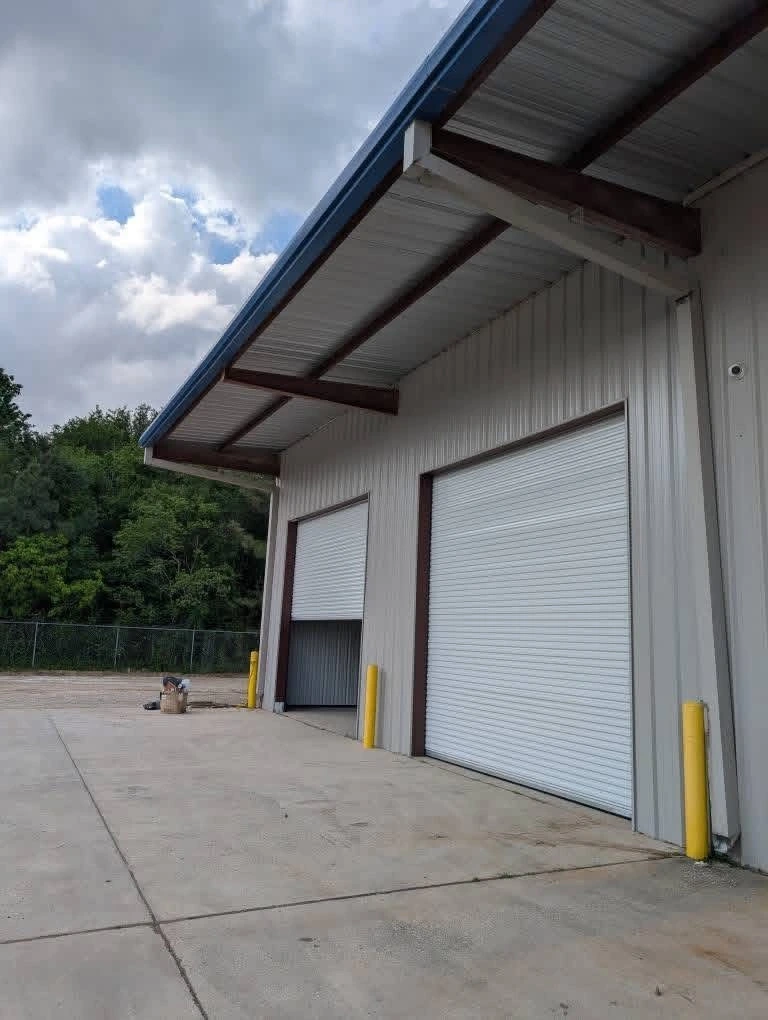
A garage door that won’t open all the way rarely fixes itself, since the opener motor keeps straining harder against whatever is causing the resistance with every cycle it attempts.
Ignoring this issue commonly leads to a few outcomes:
- The opener motor strains harder, which speeds up wear on internal parts.
- A minor sensor or spring issue can progress into full mechanical failure.
- Repair costs tend to climb the longer the root cause goes untouched.
- Continued spring strain raises the risk of a sudden, dangerous break.
- The door shifts further out of alignment with every incomplete cycle.
To understand what causes a garage door to stop midway in the first place, read our guide on Why Does a Garage Door Stop Halfway Up?, which breaks down every mechanical and electrical factor behind the issue.
Signs a Garage Door Is About to Stop Halfway Up
A garage door usually gives a few warning signals before it stops halfway, since the system tends to struggle before it fails outright.
These signals commonly show up as:
- The door hesitates or stutters partway through its cycle.
- Grinding or scraping noises come from the tracks or rollers.
- The door reverses direction without anything blocking its path.
- The remote works inconsistently or needs several attempts to respond.
- The opener light blinks in a pattern instead of staying steady.
Noticing even one of these signals early gives homeowners a much clearer picture of what the door is trying to communicate.
Common Causes of a Garage Door Not Opening Fully
A garage door not opening fully almost always comes down to one of a few mechanical or electrical issues working against the system.
These causes typically include:
- Worn or unbalanced springs that can no longer carry the door’s full weight.
- Sensor lenses blocked by dust, debris, or spider webs.
- Incorrect travel limit settings that stop the door short.
- Bent tracks or worn rollers that create resistance during movement.
- Loose hardware that shifts the track out of proper alignment.
Identifying which of these underlying causes applies makes the next repair step much clearer and far more effective.
How to Fix a Garage Door That Stops Halfway
Testing the Door’s Balance and Tracks
Lifting a disconnected door to its exact midpoint shows whether the springs still carry the door’s full weight without added strain.
Here is how to test the door’s balance and check the tracks:
- Disconnect the opener using the manual release cord before attempting to lift the door.
- Raise the door by hand until it reaches the exact midpoint of the track.
- Release the door gently without holding or guiding it any further upward.
- Watch closely for several seconds to see if the door drifts either way.
- Inspect the tracks for any dents, dirt, or hardened grease buildup along the way.
To confirm whether the door’s balance points to a bigger spring or track problem, read our guide on How to Manually Test a Garage Door Stop Halfway, which walks through the full testing process step by step.
Adjusting the Force and Travel Limits
Opener settings tend to shift out of place more often than expected, especially after years of regular everyday use.
Adjusting the force and travel limits usually involves these steps:
- Locating the force and limit dials on the back or side of the motor unit.
- Turning the “up” or “open” force screw slightly to add a bit more strength.
- Checking the limit settings separately if the door also stops early while closing.
- Referring to the specific opener brand for the correct adjustment sequence to follow.
- Testing the door once after each small change before making any further adjustments.
An opener that keeps losing its settings even after repeated adjustments often signals it’s time to consider a new garage door installation instead.
Checking and Cleaning the Safety Sensors
Sensor problems account for a large share of garage door opener issues and are usually the easiest ones to check firsthand.
A quick sensor check should include the following steps:
- Looking closely for a steady light on both sensor units near the floor.
- Noting any flickering or completely dark light showing on either side.
- Wiping any dust, debris, or spider webs off both sensor lenses.
- Realigning the mounting brackets so the sensors face each other directly.
- Testing the door once more after the lenses have been fully cleaned.
Two sensors facing each other with steady lights confirm a stable connection between the two units and a properly functioning system.
Resetting the Opener System
A full reset clears minor glitches that tend to build up gradually in the opener’s internal memory over time.
Running a basic reset on the opener typically looks like this:
- Unplugging the opener from its power source for about thirty full seconds.
- Plugging the unit back in and wait for the lights to fully stabilize.
- Running the door through one complete open-and-close cycle afterward.
- Watching closely for the same stopping pattern to see if it returns.
- Repeating the entire process once more if the issue still continues.
A reset that fails to resolve the issue is often the exact point at which emergency garage door repair is worth calling in for good.
Is DIY the Best Way to Fix a Garage Door That Opens Halfway?
DIY works well for a few small fixes, but it has clear limits once the problem involves parts under heavy mechanical stress.
DIY tends to work best in situations like these:
- Cleaning dust, debris, or spider webs off the safety sensor lenses.
- Resetting the opener after a power outage or a minor internal glitch.
- Adjusting small force or limit settings on the motor unit itself.
- Tightening loose hardware along the track or mounting brackets.
- Keeping up with routine garage door maintenance between larger inspections.
Once springs, cables, or drive gears are involved, the risk of personal injury or further mechanical damage rises sharply enough to warrant real caution.
When to Call a Pro for a Garage Door That Won’t Open All the Way

A few situations go well beyond a quick fix and truly call for a trained technician who can handle the repair the right way.
It’s worth calling a professional when:
- A spring appears worn, stretched thin, or visibly broken along its coils.
- Grinding or snapping noises come from the motor unit or the cables.
- The door won’t respond to the opener even after a full reset.
- Force and travel limit adjustments fail to resolve the stopping issue.
- The tracks show heavy dents, rust, or major structural misalignment.
Recognizing these warning signs early gives the door a much better chance at a full and truly lasting recovery.
Why Professional Repair Is the Best Fix for a Garage Door Stopping Halfway
Professional repair addresses the root cause directly rather than masking symptoms that tend to return over time.
A trained technician brings real value through:
- Diagnosing spring, cable, and drive gear issues with proper tools.
- Calibrating opener force and limit settings to manufacturer specifications.
- Spotting hidden wear on tracks, rollers, and hardware before it worsens.
- Confirming that safety sensors and backup systems work together correctly.
- Testing the full system after repairs to confirm smooth, consistent operation.
To prevent a garage door stop halfway issue from happening again, read our guide on How to Prevent a Garage Door Stop Halfway Issue, which covers maintenance habits that keep the system running smoothly.
Fix a Garage Door That Stops Halfway With Expert Help
A garage door that stops halfway usually points to a specific mechanical or electrical issue somewhere within the system, and identifying it early leads to a faster, far more lasting fix. Knowing exactly what to test, adjust, and watch for keeps the entire opener running the way it was originally designed to.
Davis Overhead Doors, LLC has spent years fixing garage doors that stop halfway for homeowners throughout Cleveland, TX, handling everything from worn springs to sensor misalignment. Contact us or give us a call today, and let our trained team get the door back to working the way it should as soon as possible.