
Hiring a pro for new garage door installation is the smartest decision a homeowner can make when replacing or upgrading a garage door. The installation process involves heavy panels, high-tension springs, and precise calibration, all of which require professional training and industry-grade tools.
Getting the installation wrong creates problems that are expensive to undo and can compromise the door’s performance for years. Knowing what professionals bring to this job makes it easier to understand why DIY installation is a risk most homeowners should avoid.

What Happens When a Garage Door Is Not Installed Correctly?
A garage door that is not installed correctly puts the entire system under stress from day one, and the problems that follow range from minor performance issues to mechanical failures that require a full garage door replacement.
What goes wrong with an incorrectly installed garage door includes:
- Misaligned tracks cause binding and accelerate roller wear
- Improper spring tension puts an uneven load on cables and risks snapping
- Poor sealing reduces energy efficiency and increases utility costs
- A mis-mounted opener strains the motor and burns out prematurely
- Loose hardware shifts panels out of place and damages curb appeal
To understand how a new garage door affects home value and performance, read our guide on Does a New Garage Door Increase Home Value?, which breaks down the financial and aesthetic returns homeowners can expect.
Reasons to Hire a Pro for New Garage Door Installation
Safety and Hazard Prevention
Garage doors operate under extreme mechanical tension, and mishandling high-tension springs or cables during installation can cause serious injuries.
Installation risks that only a pro is equipped to handle include:
- High-tension springs cause severe injury if released without proper tools
- Heavy double door panels require controlled lifting to position correctly
- Electrical work tied to the opener must meet local code requirements
- Spring winding and cable attachment demand precision DIY installation cannot guarantee
- Incorrect tensioning puts immediate stress on every connected component
Skipping professional installation increases the likelihood of emergency garage door repair calls that could have been avoided with proper handling from the start.
Warranty Protection
Most manufacturers void warranty coverage immediately upon installation if no certified technician is on record.
What warranty protection depends on includes:
- Manufacturer warranties are voided without a certified technician on record
- Labor warranties only apply when the installer is licensed and accountable
- Garage door companies require proof of professional installation for any claim
- Written documentation from the installer covers all future warranty needs
- Cutting corners leaves the homeowner responsible for all repair costs
Warranty coverage is only as strong as the installation behind it, and professional installation is what keeps that protection intact.
Proper Calibration and Fit
Precise calibration during installation determines how well the door performs, how long components last, and how much energy the home retains over time.
Key outcomes of proper calibration include:
- A balanced door reduces strain on the garage door opener and extends its lifespan
- Correct leveling prevents gaps that let in air, pests, and moisture
- Proper panel alignment keeps the insulated garage door at its rated efficiency
- A well-sealed door contributes directly to energy savings on utility bills
- Calibrated spring tension ensures smooth, quiet operation through thousands of cycles
A correctly calibrated door simplifies routine garage door maintenance and keeps the entire system performing at its best throughout every season.
Specialized Tools and Equipment
Installing a new garage door requires industry-grade equipment that most homeowners do not own and cannot replicate with standard hardware store tools.
Tools that only professionals bring to the job include:
- Spring winding bars safely set the torsion spring tension without risking injury
- Track hangers and level gauges ensure every section mounts at the correct angle
- Cable drum tools allow precise adjustments that hand tools cannot achieve
- Torque wrenches prevent over-tightening that cracks panels and hardware
- Professional lifting rigs support heavy panels during overhead positioning
Having the right tools on hand is what separates a properly executed installation from one that creates problems from day one.
Security and Long-Term Reliability
Professional installation ensures every component works together to keep the system operating without unexpected failures.
What professional installation delivers for long-term security includes:
- Properly aligned tracks prevent the door from derailing during operation
- Secured weatherstripping closes off entry points around the frame
- Smart openers communicate with sensors and safety features without signal errors
- A tested and balanced door closes completely every time without adjustment
- Professional installation reduces recurring garage door repair calls over time
Choosing professional installation from the start keeps the entire system operating at peak performance for the long run.
How to Choose the Right Professional for Garage Door Installation
Choosing the right installer directly determines the quality of the work, the warranty terms, and the long-term performance of the entire system.
What to look for in a garage door installation professional includes:
- Check for valid licensing and liability insurance before agreeing to any work
- Ask about warranty terms covering both parts and labor in writing
- Look for verified reviews and ask for references from past local jobs
- Confirm the installer has experience with the specific door type being installed
- Choose a contractor who provides a written estimate and a clear project timeline
To narrow down your options before hiring an installer, read our guide on How to Choose the Right New Garage Door, which covers the key factors every homeowner should evaluate before making a final decision.
What to Expect From a Professional Garage Door Installation
Knowing what professional garage door installation covers helps homeowners recognize what a quality job looks like from start to finish.
What a professional garage door installation typically includes:
- Initial assessment and measurements confirm the new door fits the opening correctly
- Old door panels, tracks, springs, and cables are fully removed and cleared
- New panels are installed section by section according to the manufacturer’s specifications
- The opener is connected, programmed, and tested alongside all safety features
- Final adjustments to tension, alignment, and sealing are completed before handoff
To learn how material choice affects the installation process and long-term performance, read our guide on New Garage Door Materials: Which One Lasts Longest?, which breaks down the most common materials and how each one holds up over time.
How Much Does Garage Door Installation Cost
Understanding garage door replacement cost helps homeowners plan and budget before committing to a new installation.
Factors that affect the average cost of garage door installation include:
- Door type and material directly influence the starting price of the project
- Single doors cost less than double door systems in both materials and labor
- Non-standard dimensions or older frames increase installation complexity and total cost
- Adding a new opener or smart openers raises the overall project total
- The average cost may depend on the existing hardware condition and replacement needs
Garage door costs vary by project, and consulting a local professional is the most accurate way to get a number that reflects the home’s specific needs.
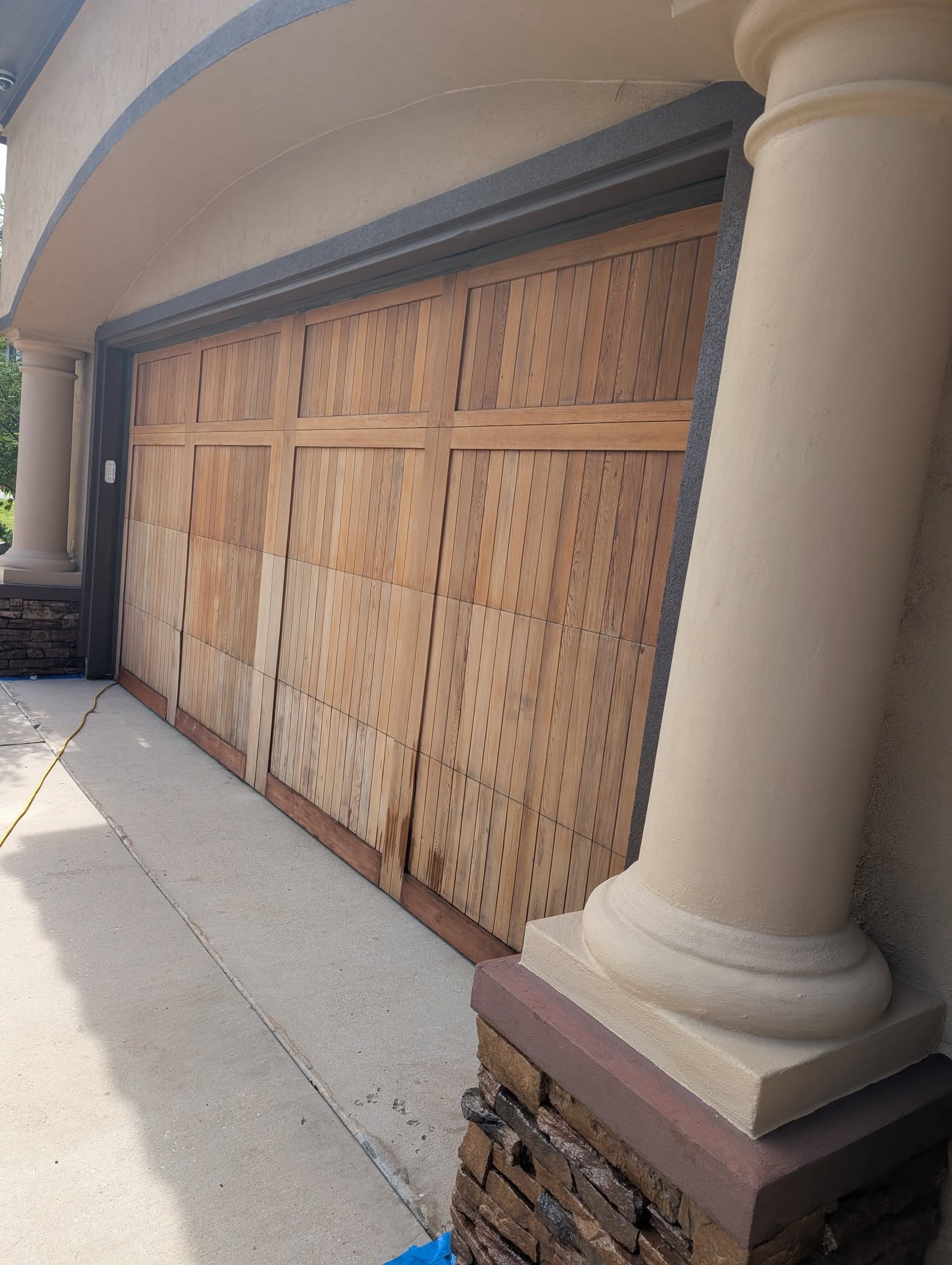
Hire a Pro and Get the New Garage Door Installation Done Right
Professional garage door installation is what separates a door that performs for decades from one that creates problems from the moment it goes up. Hiring a pro protects the warranty, improves energy efficiency, and ensures the new garage door delivers the curb appeal and home value it was built to provide.
Davis Overhead Doors, LLC brings the tools, training, and hands-on experience that Cleveland, TX, homeowners need for a garage door installation done correctly the first time. Contact us or give us a call today, and let our team handle every detail so the investment pays off for years to come.