
Choosing the right new garage door starts with understanding the size, material, insulation level, and opening system that best fits the home and its specific needs. Each factor directly affects how well the door performs, how long it lasts, and how much value it adds to the property over time.
A poor decision at any stage of this process leads to higher garage door installation costs, poor energy performance, and a door that does not meet the home’s long-term needs. Taking the time to evaluate every option before purchasing is what turns a simple replacement into a worthwhile investment.
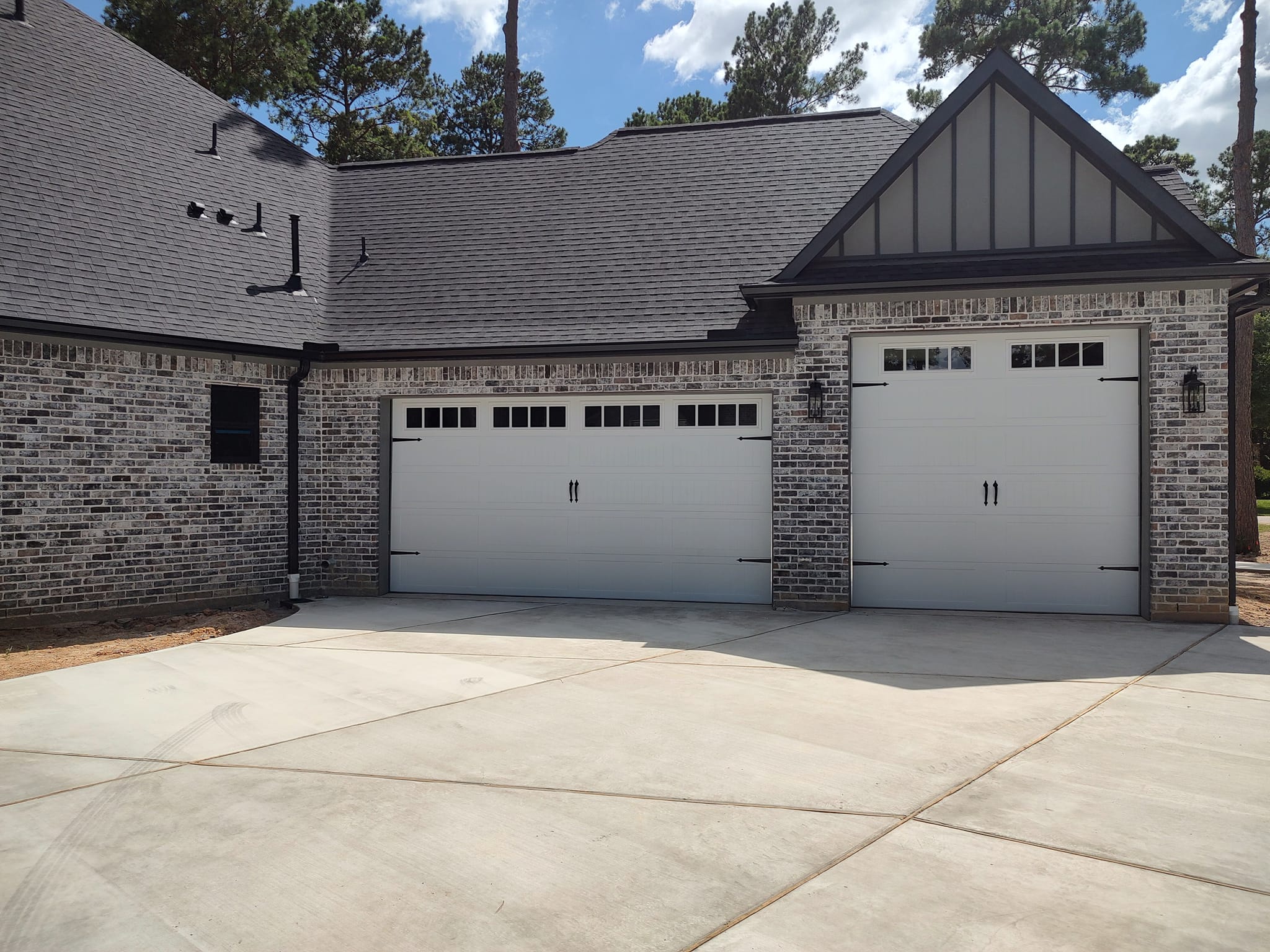
What Should Homeowners Know Before Getting a New Garage Door?
Getting a new garage door is one of the most consequential home improvement decisions a homeowner can make, because the door type, material, and installation complexity all determine how well the investment holds up over the years.
What to know before getting started includes:
- Garage door replacement involves the entire system, not just the panels
- Local climate directly affects which materials and insulation levels hold up best
- A matching door style strengthens curb appeal and adds property value
- Installation complexity varies based on door size and the opening system
- Warranty terms differ by manufacturer, so reviewing them upfront matters
To understand how a new garage door connects to property value, read our guide on Does a New Garage Door Increase Home Value?, which breaks down the financial and aesthetic returns homeowners can expect.
Key Factors to Consider When Choosing a New Garage Door
Every new garage door decision comes down to key factors that determine which door best fits the home, budget, and property’s specific needs.
Key factors to evaluate include:
- Size and fit determine whether the door matches the opening dimensions
- Insulation rating directly affects energy costs in attached garages
- Material type drives long-term maintenance requirements and lifespan
- Average cost may depend on size, material, and installation complexity
- Headroom clearance dictates which opening system will work
Getting these factors right from the start reduces repair costs and ensures the door performs well for years to come.
How to Choose the Right New Garage Door for a Home
Step 1: Determine the Right Door Style
Door style sets the visual tone for the entire front of the home and directly affects how well the new garage door complements the existing architecture.
Style options to consider include:
- Raised-panel doors suit most home designs and remain the most widely used
- Carriage house doors offer a classic, rustic look for farmhouse-style homes
- Contemporary doors feature clean lines and large glass panels
- Panel layout, window placement, and color all affect the home’s curb appeal
- Hardware finish choices add a polished detail to any style
Different style choices carry different garage door maintenance requirements, making material and design selection a direct factor in long-term street appeal.
Step 2: Choose the Right Material
Material selection determines how much maintenance the door requires, how long it lasts, and how well it withstands weather conditions.
Material | Durability | Maintenance | Best For |
Vinyl | High | Very Low | High-moisture and high-traffic garages |
Composite | High | Low | Homes wanting a wood look without wood upkeep |
Steel | High | Low | Most home styles and climates |
Fiberglass | Moderate | Low | Humid and coastal conditions |
Aluminum | Moderate | Low | Contemporary and rust-prone environments |
Wood | Moderate | High | Homes prioritizing natural beauty |
To learn how these materials compare over time, read our guide on New Garage Door Materials: Which One Lasts Longest?, which breaks down how each option holds up through years of heat, humidity, and daily use.
Step 3: Select the Right Insulation Level
Insulation level directly affects how much energy the home consumes and how comfortable the garage stays throughout the year.
Insulation options worth knowing include:
- Single-layer doors have no insulation and work best in detached garages
- Double-layer doors include polystyrene backing for moderate thermal protection
- Triple-layer insulated doors use polyurethane foam for maximum energy efficiency
- R-value ratings between R-6 and R-18 cover most residential needs
- Higher R-values are best suited for attached garages with direct heat exposure
Insulation level is one of the most overlooked factors in a new garage door purchase and one of the most impactful on long-term energy performance.
Step 4: Pick the Right Opening System
The opening system determines how the door travels and how much overhead space the installation requires inside the garage.
Opening system options include:
- Standard lift systems require 12 to 15 inches of headroom above the door opening
- High lift systems move the door closer to the ceiling before traveling horizontally
- Low headroom systems work in spaces where standard configurations will not fit
- Vertical lift systems suit garages with very high ceilings
- Proper installation requires precise measurements and a trained technician
Selecting the wrong opening system for the available clearance creates mechanical stress that leads to a garage door repair sooner than expected.
Step 5: Prioritize Safety and Security Features
Safety features built into a new garage door protect everyone in the household and reduce the risk of unauthorized access.
Features worth prioritizing include:
- Auto-reverse sensors stop the door from closing on a person or pet
- Rolling code technology changes the opener access code after every use
- Tamper-resistant brackets make forced entry significantly harder
- Manual release handles allow hand operation during a power outage
- Pinch-resistant panels reduce finger injury risk in households with children
Doors without proper safety features put households at greater risk and increase the chance of needing an emergency garage door repair at the worst possible time.
Step 6: Consider Smart Upgrades and Modern Features
A garage door upgrade that includes smart technology adds everyday convenience and gives homeowners better control over access to their homes.
Modern features worth considering include:
- Smart openers connect to home Wi-Fi for remote monitoring and operation
- Battery backup systems keep the door running during power outages
- Integrated cameras allow homeowners to see garage activity in real time
- Voice control compatibility with Alexa and Google Home adds daily convenience
- Warranty coverage on smart opener systems varies by brand
Smart features have become a standard part of new garage door installations and add measurable convenience to everyday home management.
Why Professional Installation Matters When Choosing a New Garage Door
Professional installation ensures that every component of a new garage door installation works together correctly from the very first operation.
Reasons professional installation matters include:
- Garage door springs operate under extreme tension and require trained hands
- Misaligned tracks cause uneven wear and poor door travel over time
- Electrical work connected to the opener must meet local code requirements
- Improper cable tension creates a hazard during door operation
- Licensed installers carry insurance that protects the homeowner
To understand the full scope of professional installation, read our guide, “Should Homeowners Hire a Pro for New Garage Door Installation?,” which covers what separates a qualified installer from an unqualified one.
How to Choose the Right Garage Door Provider in Cleveland, TX
Finding the right garage door provider requires evaluating licensing, experience, and local knowledge before making a hiring decision.
What to look for in a local provider includes:
- Licensing and insurance protect the homeowner if something goes wrong
- Local experience means the installer understands regional climate and building standards
- Customer reviews reveal how the company handles communication and follow-through
- Written estimates allow for accurate comparisons between providers
- Manufacturer certifications confirm training on specific door and opener systems
Choosing a qualified local provider is the difference between a garage door that performs well for decades and one that requires repeated attention.
What Homeowners Should Expect After Choosing a New Garage Door
After selecting a door and hiring a provider, the installation follows a predictable sequence that most experienced installers complete in a single visit.
What to expect during the process includes:
- Old door removal comes first before any new hardware goes up
- Track and spring installation follow manufacturer specifications
- Panel sections are assembled and secured before the opener connects
- Final testing covers door balance, auto-reverse, and remote operation
- Standard single door installations finish within three to four hours
Understanding the installation sequence helps homeowners prepare their space and schedule accordingly.
Choose the Right New Garage Door With the Help of Local Experts
Every new garage door decision involves the right combination of material, insulation, opening system, and safety features that fit the home and hold up over time. Understanding each factor before purchasing is what separates a door that adds lasting value from one that falls short of expectations.
Davis Overhead Doors, LLC helps homeowners in Cleveland, TX, find the right door for their home, their budget, and their specific needs through honest guidance and professional installation. Contact us or give us a call today, and let our team walk through every option to make sure the new garage door is the right fit for the home.